
1. Water Sources Are Extremely Common Near Haunted Sites
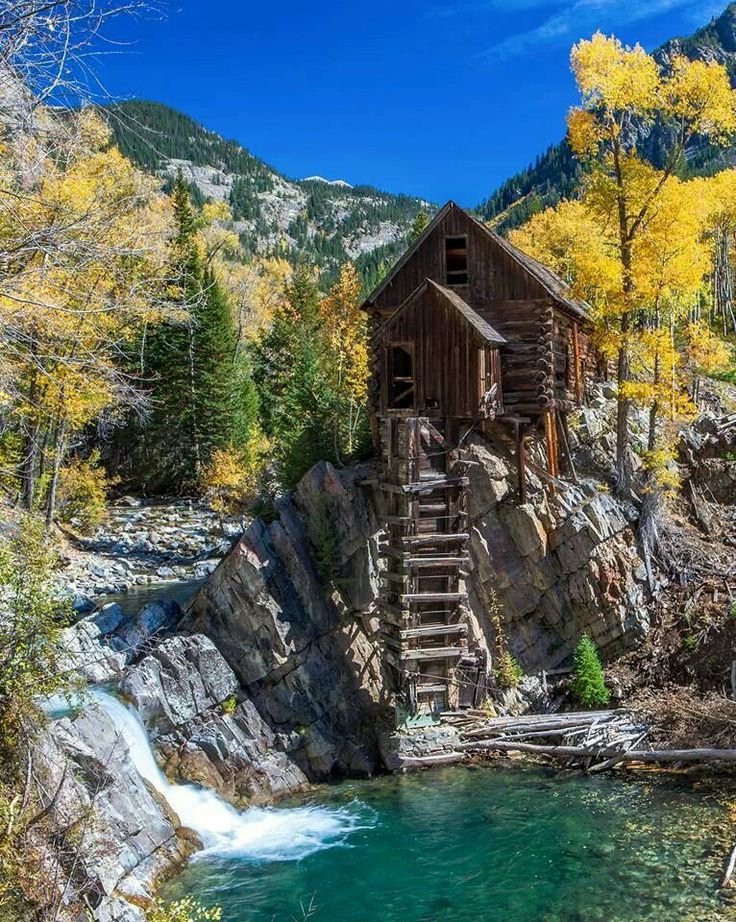
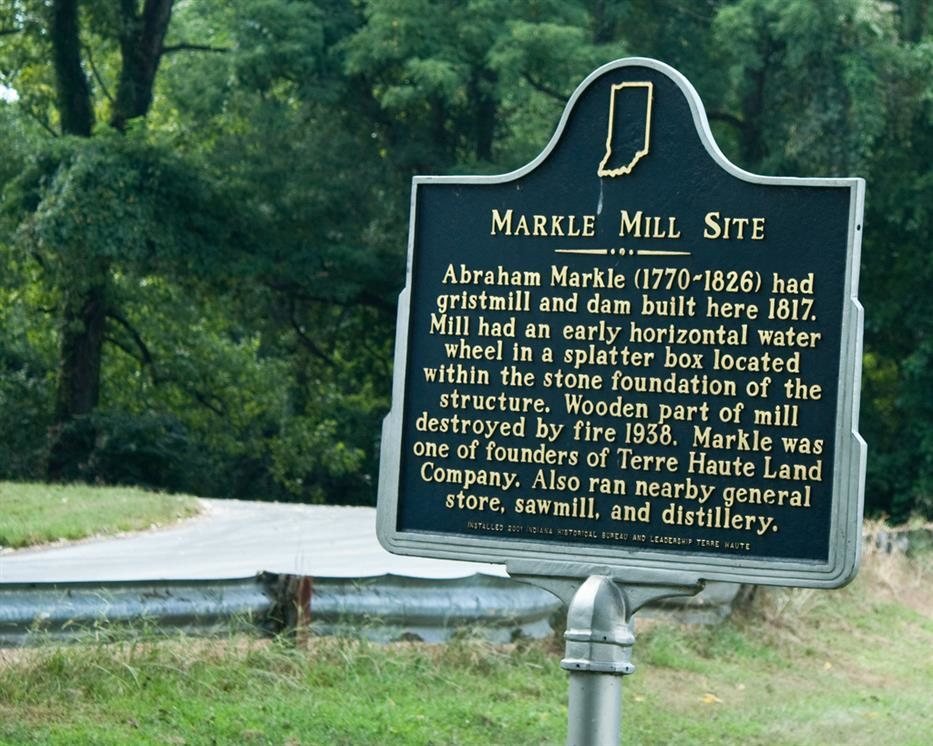
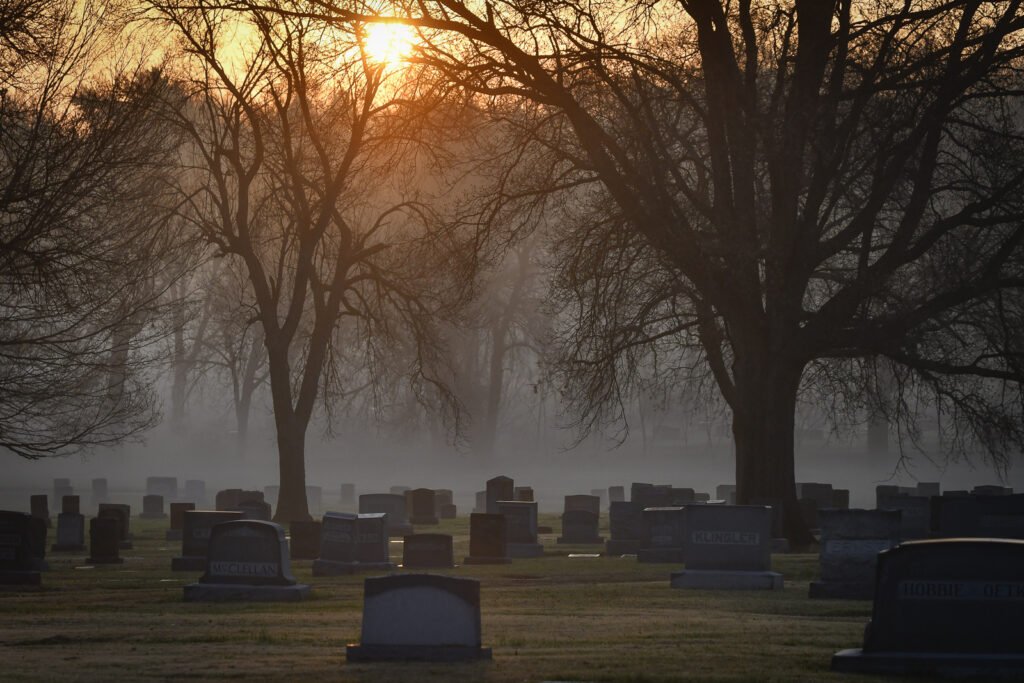
A striking pattern is that many allegedly haunted locations sit close to water sources.
Examples investigators often mention:
- Tower of London sits beside the River Thames
- Eastern State Penitentiary is near historic waterways
- Myrtles Plantation lies near the Mississippi River basin
Theories
Researchers speculate water may:
- amplify electromagnetic activity
- conduct underground currents
- influence atmospheric ions
No proof exists yet, but the correlation appears often enough that some investigators map groundwater in haunted areas.
2. Limestone and Quartz Geology Appears Frequently
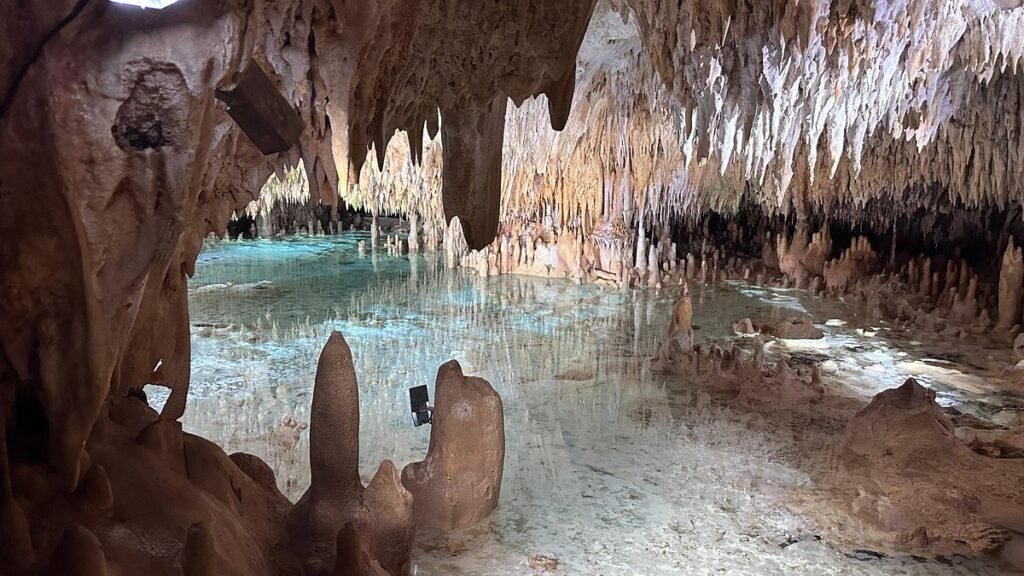
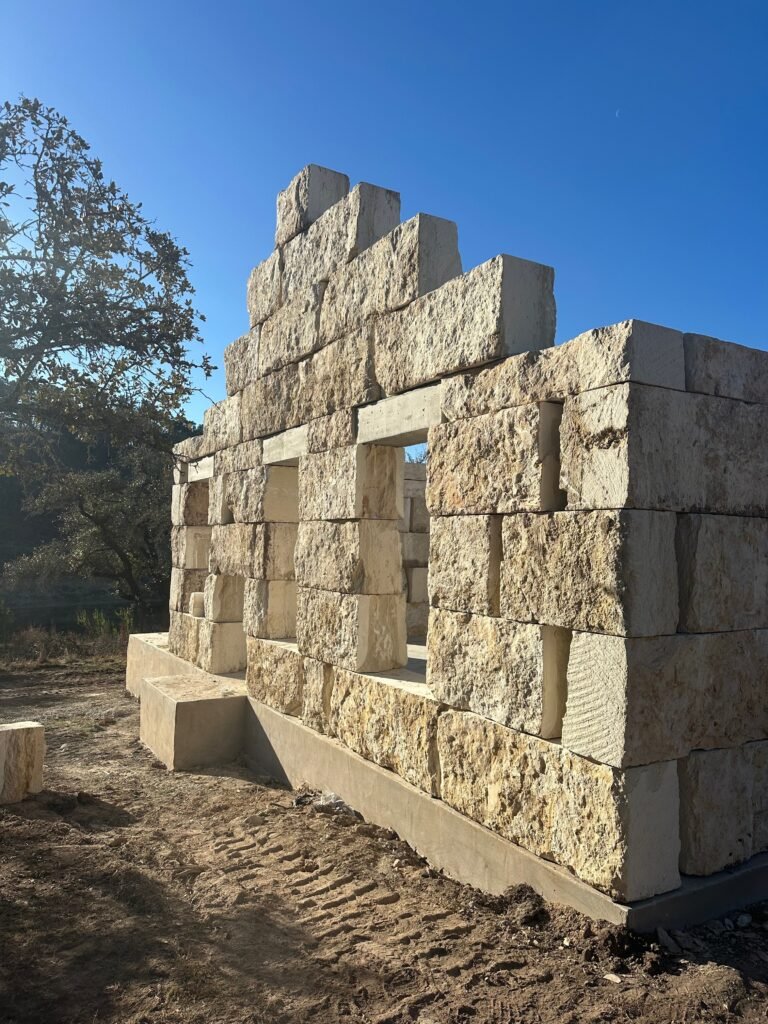
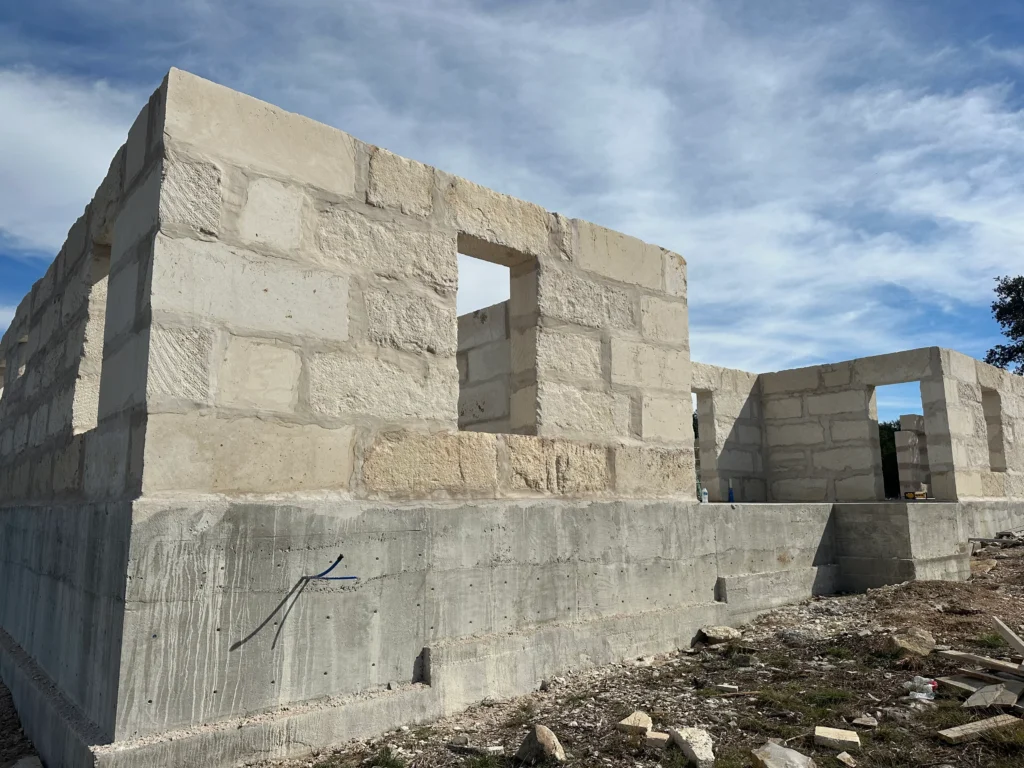
Many historic hauntings occur in regions rich in limestone or quartz.
Examples include:
- much of the UK countryside
- parts of Appalachia
- large areas of France and Germany
Quartz is known for its piezoelectric properties (it produces electric charge when compressed).
Why this matters
Some theorists suggest:
- vibrations
- seismic pressure
- environmental stress
might create electromagnetic fluctuations that influence human perception.
This might explain why certain locations repeatedly produce strange sensations.
3. Haunted Locations Often Have Repeated Ownership Trauma
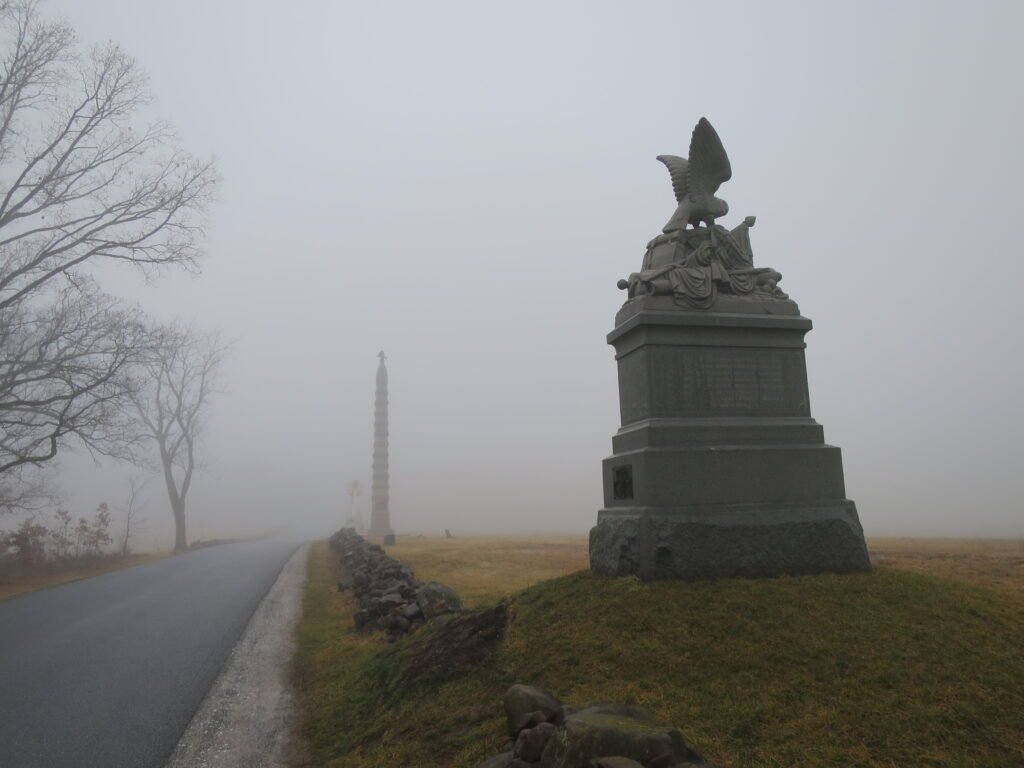
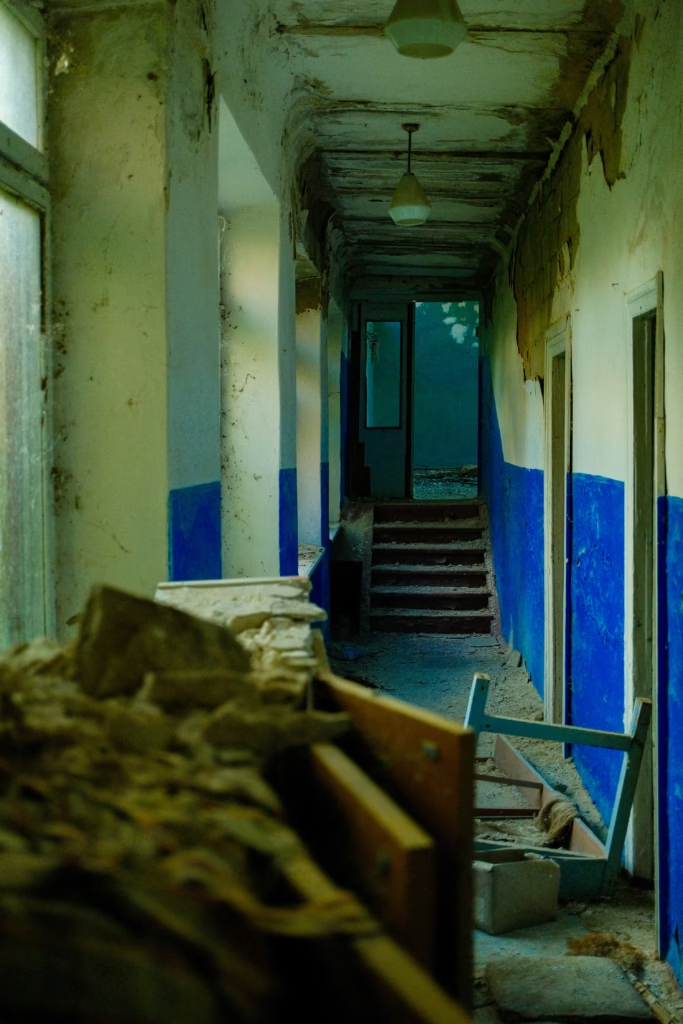
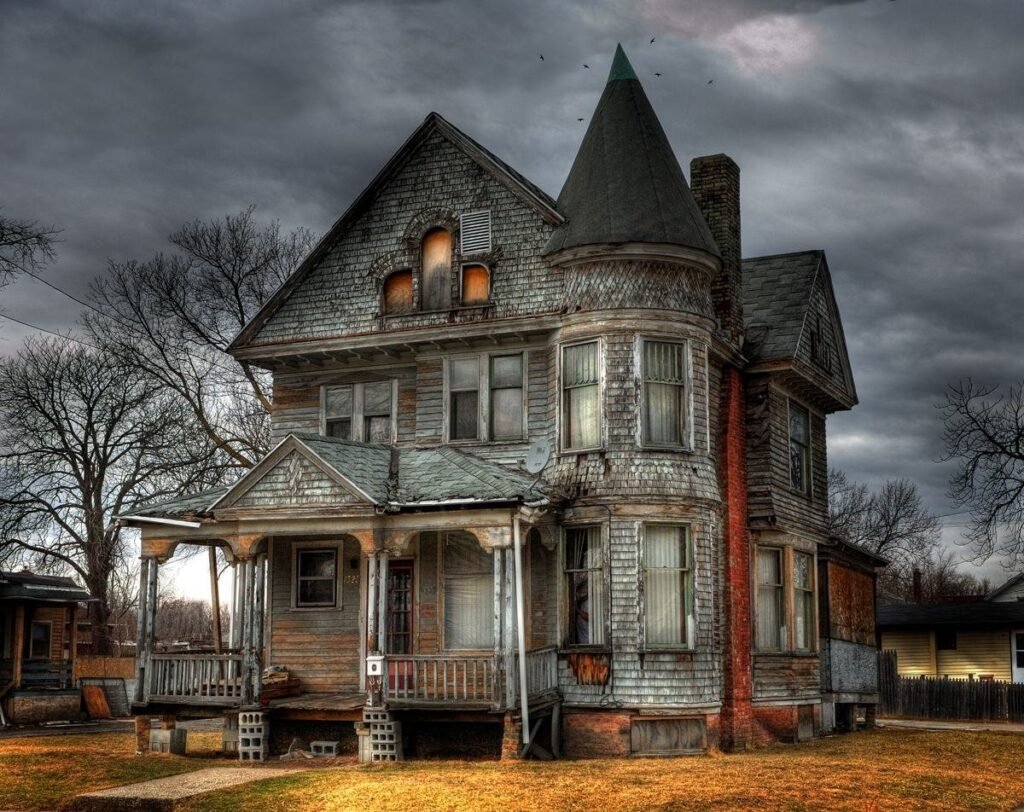
One overlooked pattern is layers of trauma, not just one tragic event.
For example:
- war → hospital → prison → abandonment
- plantation → murder → fire → reconstruction
Locations like Gettysburg Battlefield saw mass trauma over a short period.
Some researchers believe hauntings correlate more strongly with repeated emotional intensity than a single dramatic event.
4. Witness Experiences Are Often Similar Across Cultures
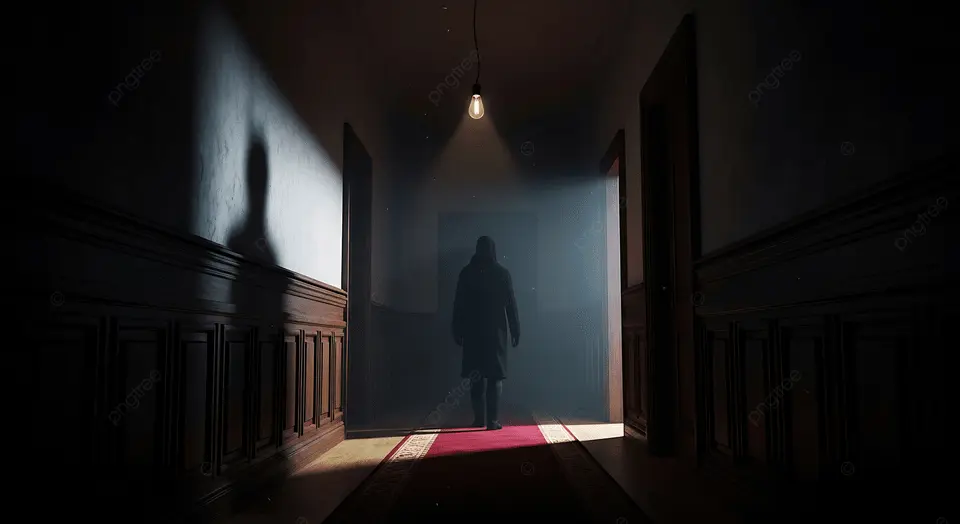
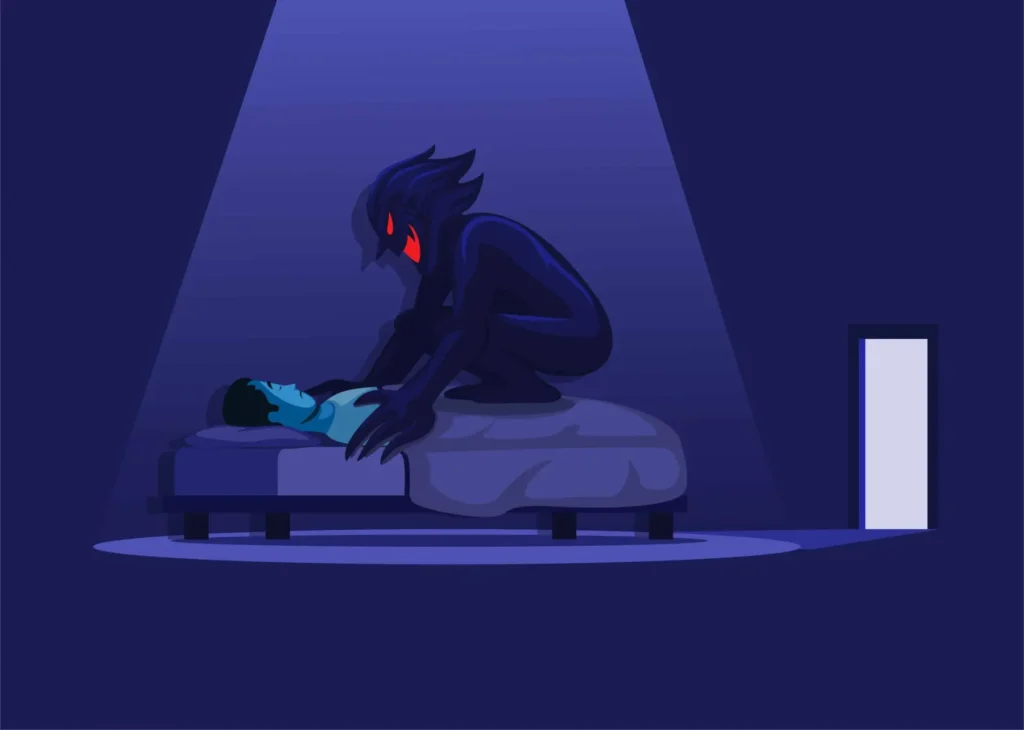
Even in cultures with completely different ghost beliefs, people frequently report:
- shadow figures
- footsteps in empty rooms
- doors opening or closing
- feeling watched
These similarities appear worldwide.
Researchers studying cross-cultural reports found parallels between Western hauntings and Japanese Yurei sightings.
Implication
This may point to:
- shared neurological responses
- universal fear archetypes
- or a phenomenon independent of culture.
5. Activity Often Increases During Renovations
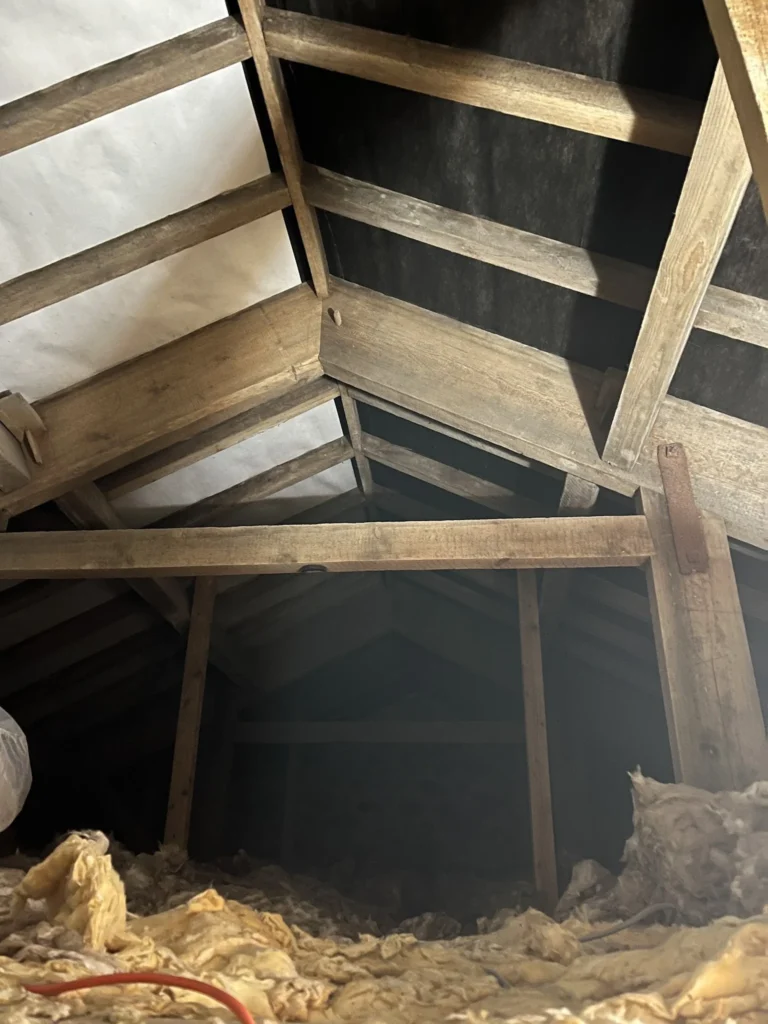
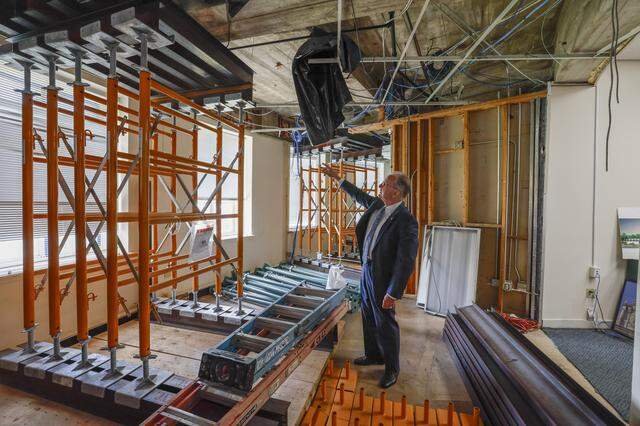
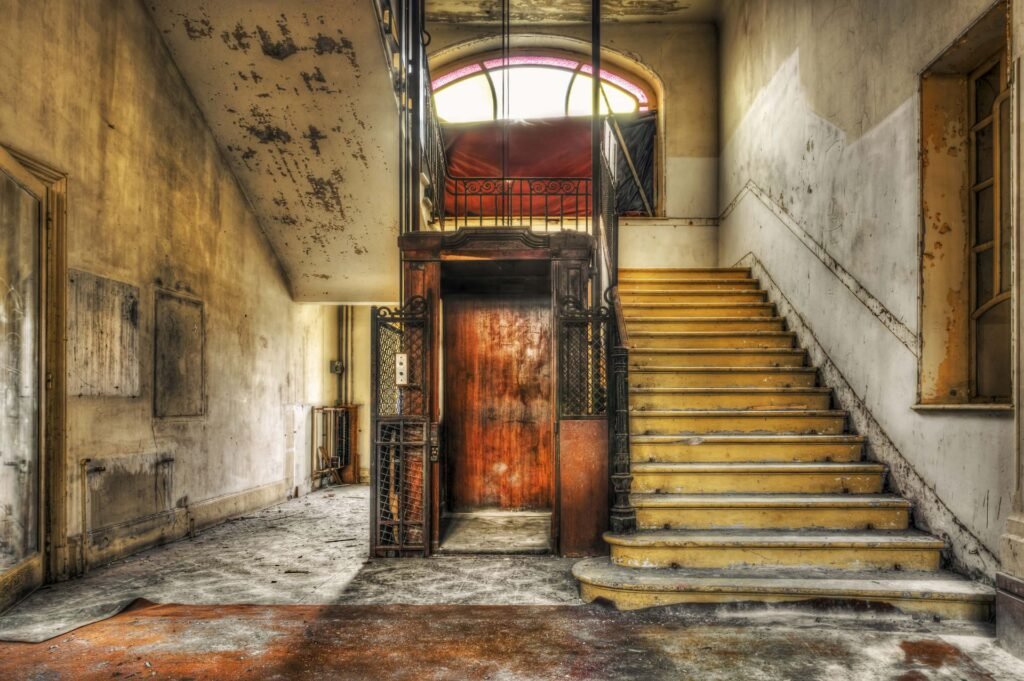
Investigators are frequently called during building renovations.
Reported phenomena:
- new sounds in walls
- object movement
- sudden apparitions
Possible explanations include:
- disturbed structures causing noise
- increased attention to the environment
- psychological expectation
But the pattern is consistent enough that many investigators track renovation dates.
6. Paranormal Reports Spike Between 2–4 AM
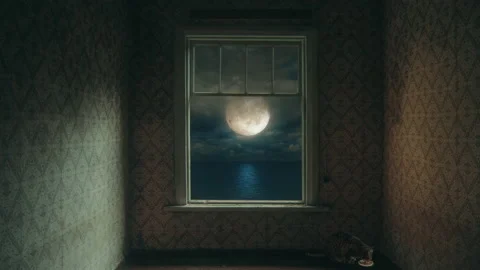
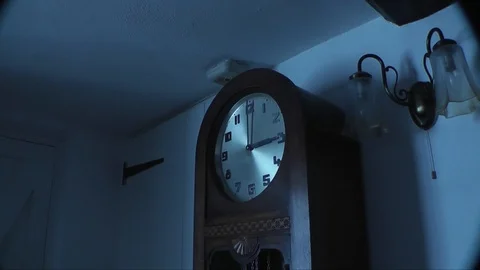
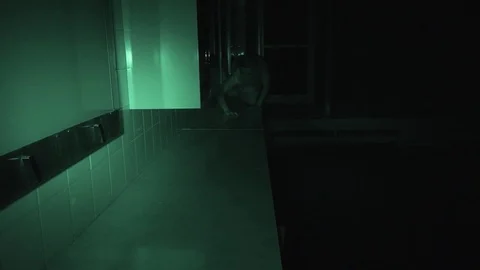
Although the popular myth is 3:00 AM, investigators actually report a broader window:
2:00–4:00 AM
Possible reasons:
- deepest sleep cycles
- lowest environmental noise
- circadian rhythm effects
- increased fatigue and suggestibility
Some psychologists link this time period with sleep paralysis hallucinations, which historically created many ghost stories.
7. Electrical Problems Are Extremely Common
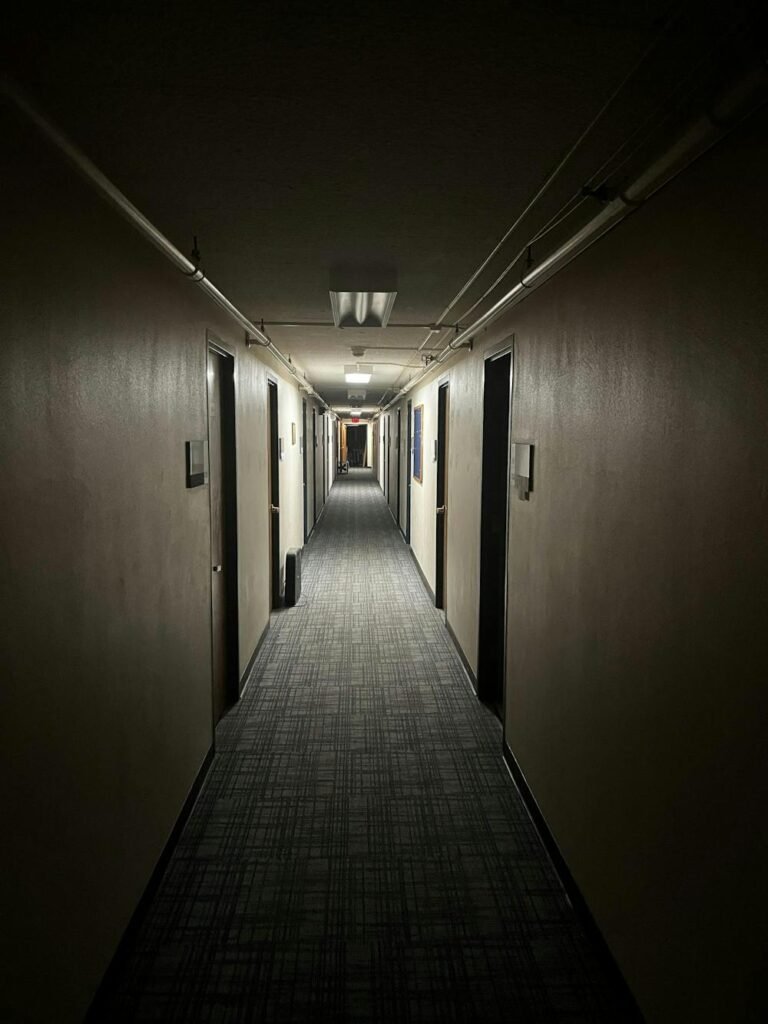

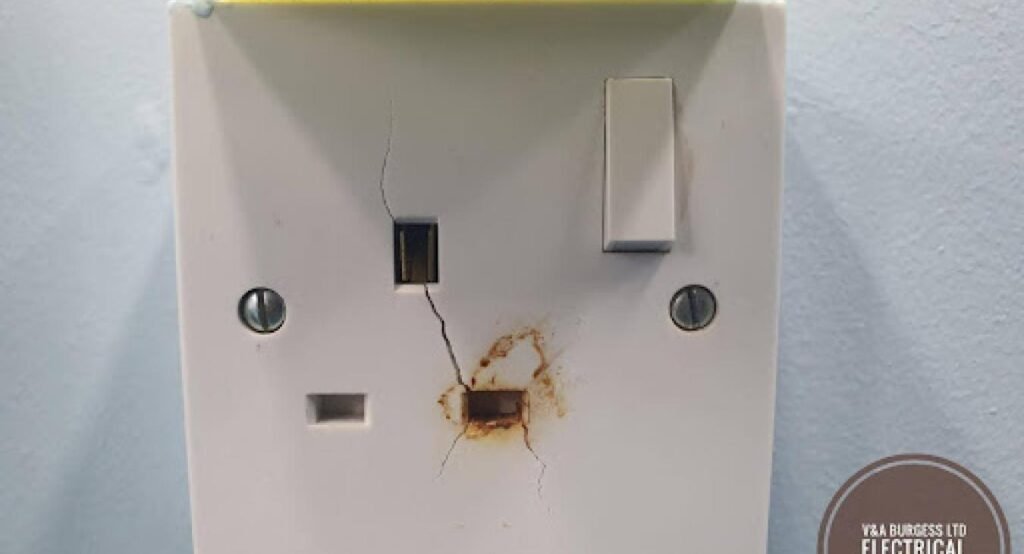
Many haunted locations also have:
- faulty wiring
- fluctuating power
- grounding issues
Interestingly, electromagnetic fields can affect the temporal lobe, which plays a role in the perception of presence.
Research by Michael Persinger explored how electromagnetic stimulation could create the feeling that someone is in the room.
8. Animals Often React Before Humans Notice Anything
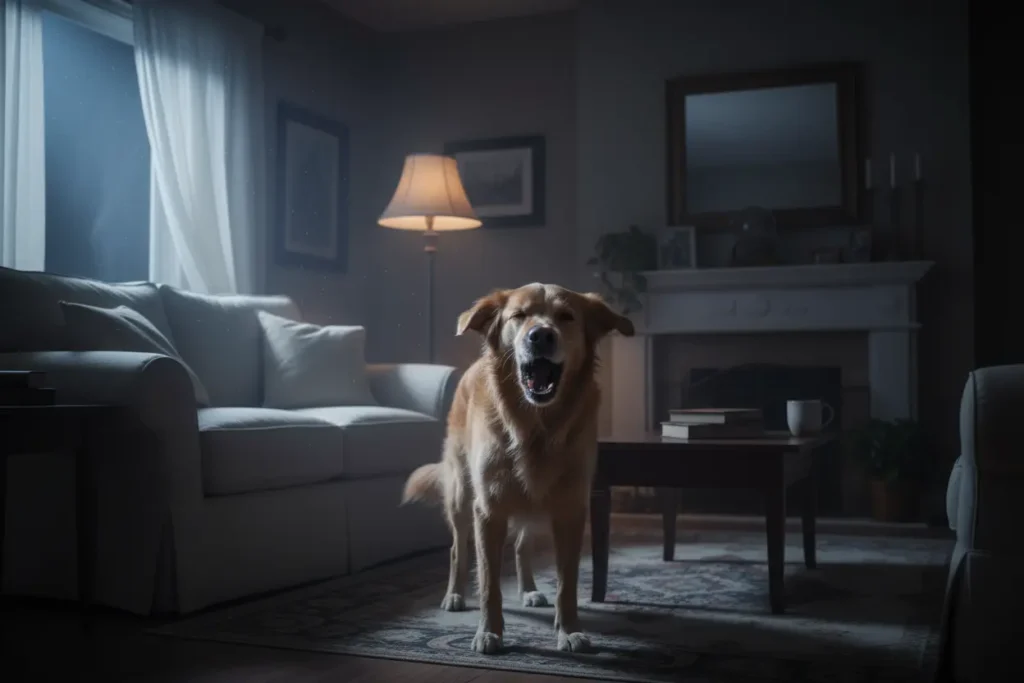


Witnesses frequently report pets reacting strangely:
- staring at empty spaces
- barking at nothing
- refusing to enter rooms
Possible explanations include:
- superior hearing
- detection of ultrasonic sounds
- sensitivity to environmental vibrations
But the pattern appears in thousands of reports.
9. Hauntings Often Fade Over Time
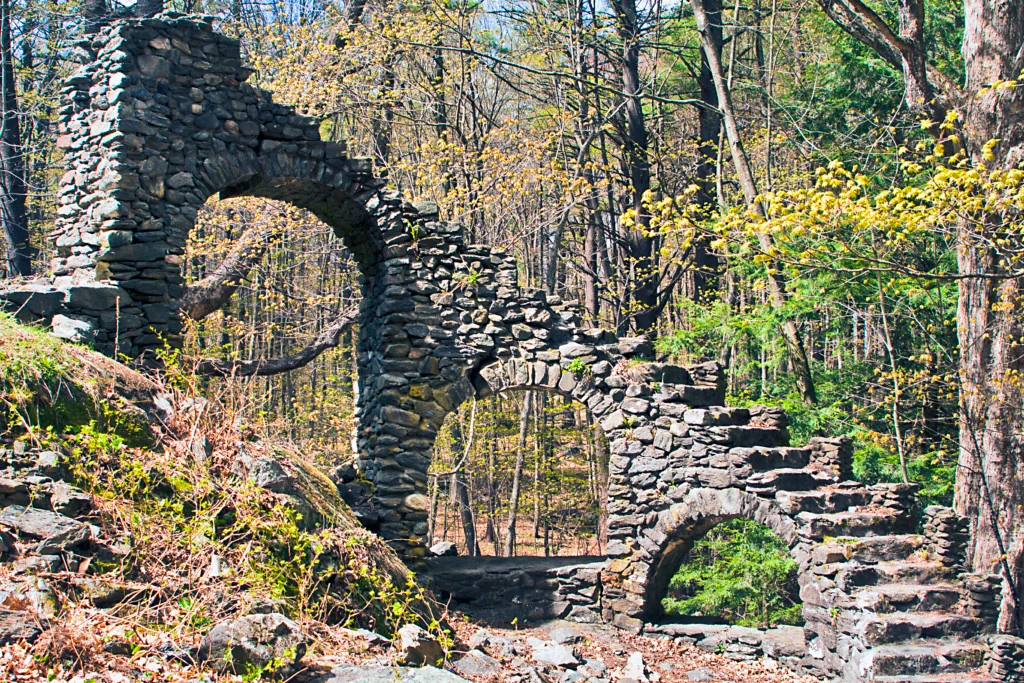
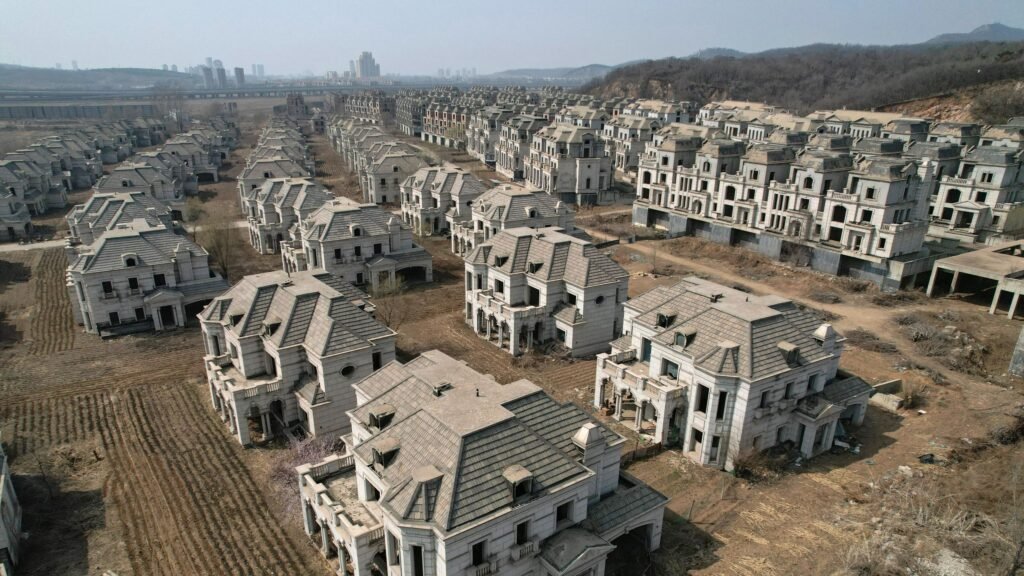
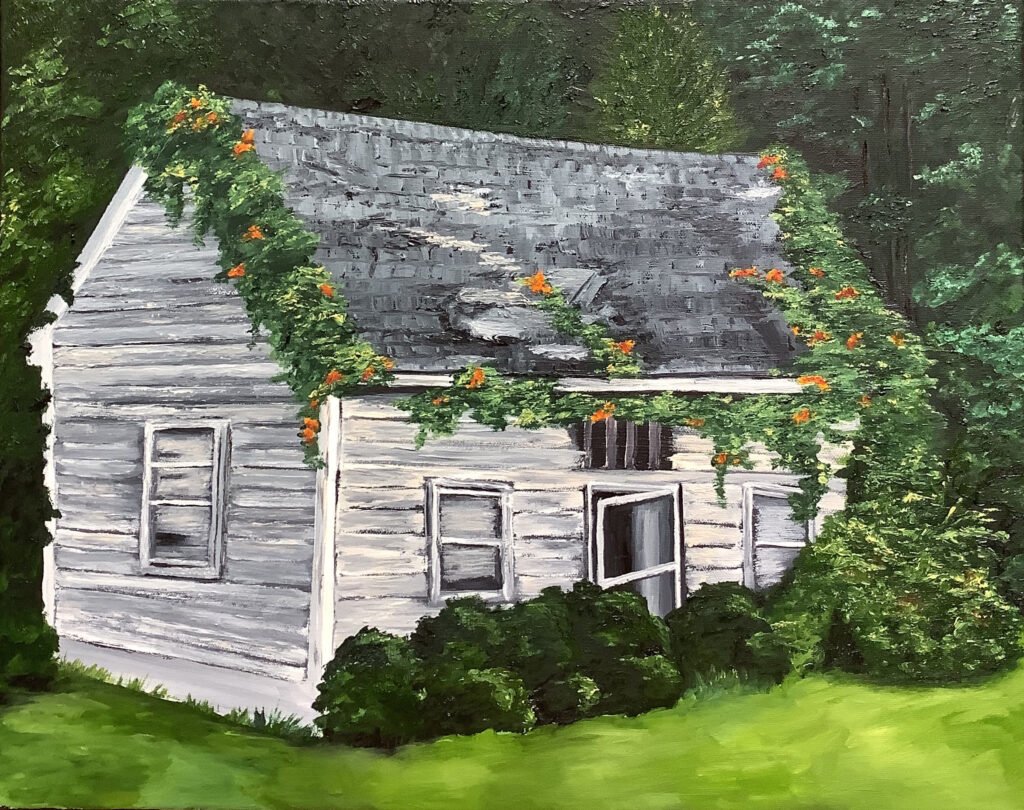
A fascinating observation is that many hauntings decline or disappear after decades.
Possible reasons:
- buildings collapse or change
- witnesses move away
- cultural interest fades
- psychological memory weakens
Some theorists propose that if hauntings are environmental recordings, they may degrade like old tape recordings.
10. The Most Active Locations Are Rarely the Most Famous
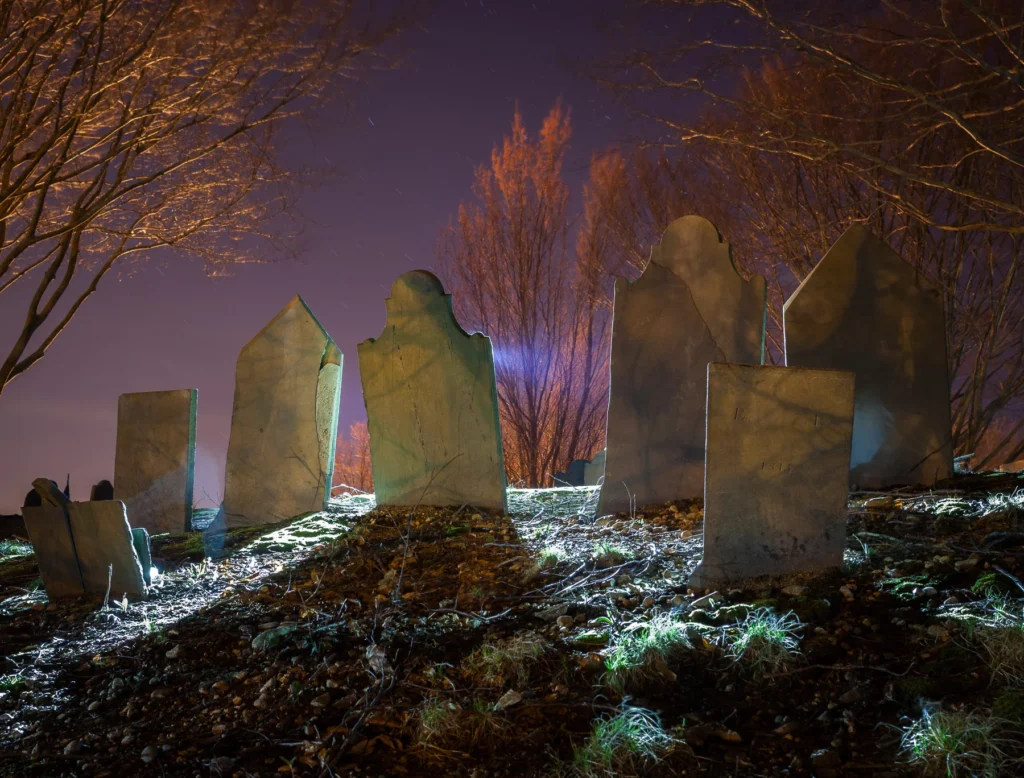
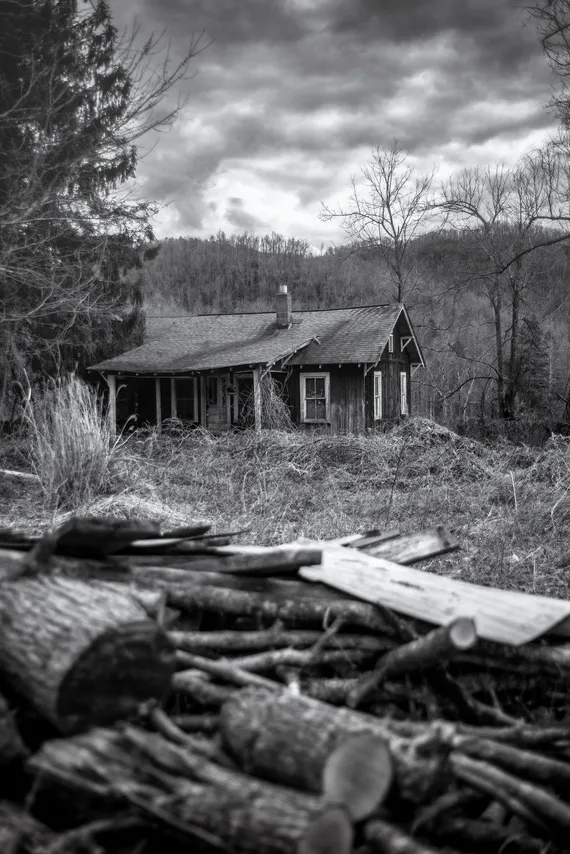
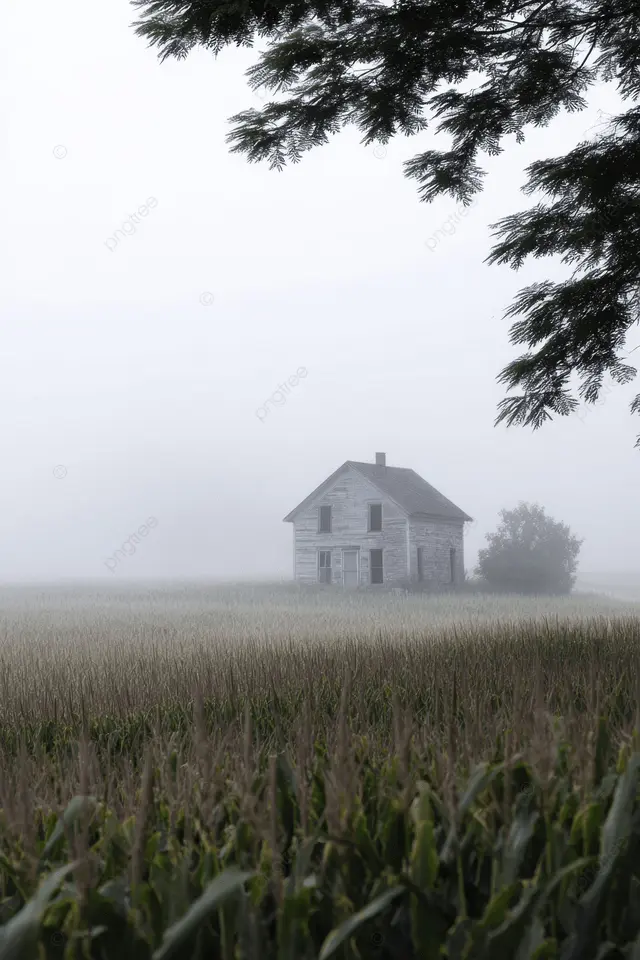
Famous haunted sites attract tourism and media attention.
But investigators often say the most intense experiences occur in obscure places:
- rural homes
- abandoned farms
- forgotten hospitals
- small cemeteries
These locations lack publicity but produce consistent reports.
Why These Patterns Are Rarely Discussed
There are several reasons these trends stay mostly within investigator communities:
- They complicate the ghost narrative
Many patterns suggest environmental or psychological causes. - They reduce entertainment value
TV shows prefer dramatic ghost encounters. - Data collection is inconsistent
Most investigators don’t track scientific variables.
